
How Neobanks Actually Make Money in 2026 (The Unit Economics No One Prints)
"Free banking" is the pitch. "Interchange arbitrage" is the model. Here's the unit-economics breakdown neobank CFOs won't publish, but every fintech founder needs to understand before pitching a similar product.
The obvious answer is wrong
If you asked a random American in 2026 how Chime, Cash App, or SoFi make money, most would guess: overdraft fees, ATM fees, or premium subscriptions. All of those exist. None of them are the primary revenue driver.
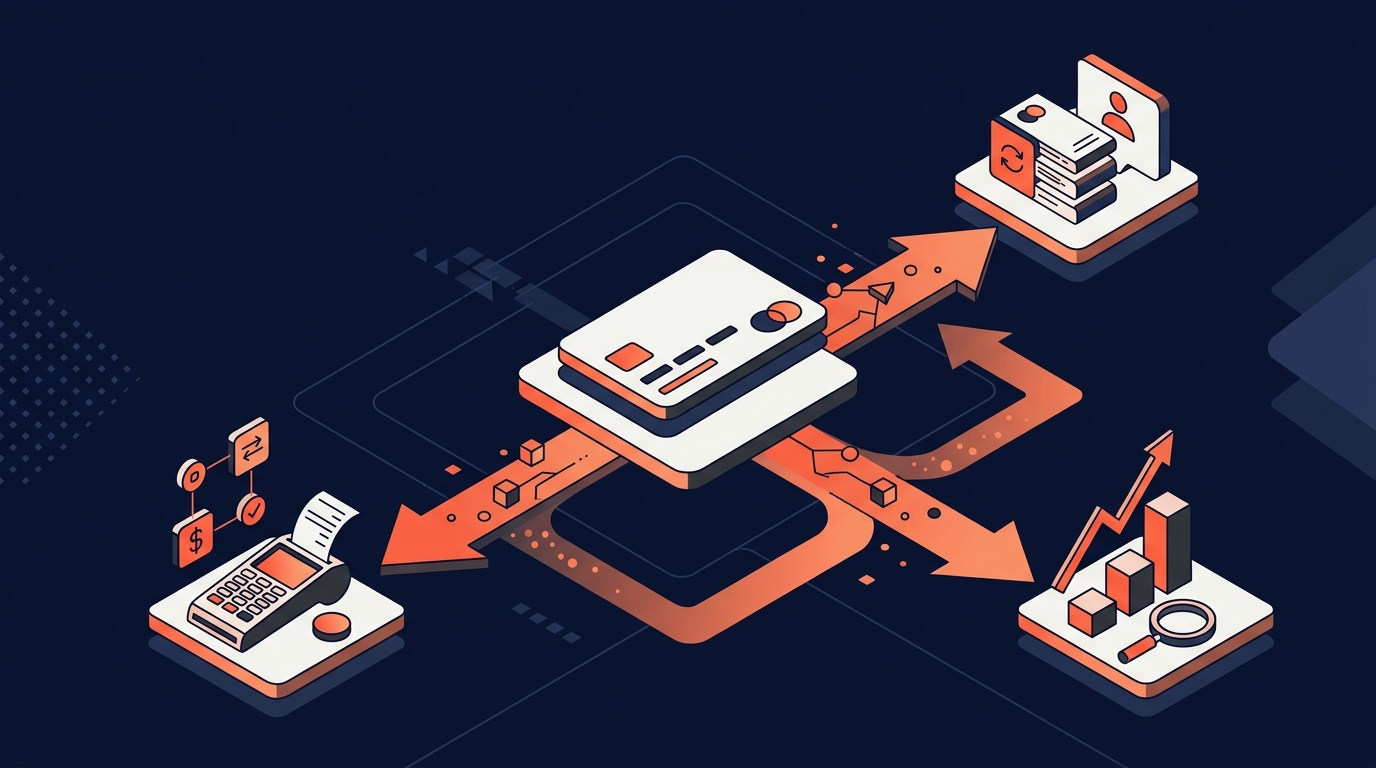
The real answer is a mix of five streams, in order of profitability:
- Interchange (the giant)
- Net interest margin on deposits
- Lending (personal loans, credit-builder, BNPL)
- Card program economics
- Everything else (Premium, crypto, marketplace fees)
Let's break each down with real numbers.
Stream 1 — Interchange
What it is: Every time you swipe a debit card, the merchant's bank pays a fee to the card-issuing bank (or its BaaS partner). Under US Durbin Amendment rules, this fee is capped for banks with over $10 billion in assets — but neobanks partner with small "Durbin-exempt" banks, which are exempt from the cap and can charge merchants the full 1.5–2.2% of every debit transaction.
Why it's huge: No credit risk. No fraud liability transferred to the neobank in most cases. Recurring by nature — every swipe compounds.
The math for a single user:
- Average US debit spend: $1,000/month
- Interchange share captured by neobank (post-processor cut): ~1.5% = $15/month = $180/year per active user
Now multiply by 20 million active accounts (Chime's approximate 2025 number) and you have $3.6 billion/year in gross interchange revenue — an enormous, sticky, recurring number.
Fintech takeaway: Every product decision at a neobank is designed to increase debit spend velocity. Round-ups, cashback, "spend now, save later" — they all funnel more transactions across the network.
Stream 2 — Net Interest Margin (NIM) on deposits
When a customer holds money in a Chime or Cash App account, that money is deposited at the sponsor bank. The sponsor bank invests those deposits (bonds, Treasuries, or lends them out) and earns interest. A portion of that interest gets shared back with the neobank.
The math:
- Average balance per active Chime user: ~$1,200
- Sponsor bank earns ~5.0% APY on Fed reserves + short-term Treasuries in 2026
- Neobank cut of NIM: usually 1.5–2.5% (varies wildly by contract)
- Per-user annualized: 1,200 × 2% = $24/year
Not as big as interchange, but it's pure margin — no CAC, no marketing, no operational cost beyond passing statements through. At scale (20M users × $24) = $480M/year of near-zero-cost revenue.
This is why neobanks aggressively promote direct deposit. Direct-deposit users hold 3–5× the average balance, which compounds this stream.
Stream 3 — Lending
The highest-margin per-dollar business a fintech can operate is lending. It's also the highest-risk.
Products used in 2026:
- Credit-builder cards (Chime Credit Builder, SoFi Credit Card) — secured by the user's own deposits. Zero credit risk to the neobank. Revenue from interchange on card spend + a small annual fee.
- Personal loans (SoFi, Upgrade, LendingClub) — 8–24% APR to prime and near-prime borrowers. Underwritten using the neobank's own transaction data. Contribution margin: ~55% of revenue after loss provisions.
- Buy-Now-Pay-Later (Affirm, Klarna, Cash App integrations) — merchant-paid fees + interest on longer plans. Contribution margin: 40–50%.
- Cash advances / early payday (Chime SpotMe, Cash App Cash Cushion) — small, short-term. Sometimes flat-fee, sometimes free with an implicit deposit requirement. Loss rates are the entire story.
Per-user contribution when lending works: $80–400/year. When it doesn't work: catastrophic (SoFi wrote down $135M in personal-loan losses in Q4 2023).
Stream 4 — Card program economics
Beyond interchange, card programs generate:
- Card issuance fees — the sponsor bank pays the neobank a bounty per activated card
- ATM interchange — small, but real
- FX markup on international spend (1–2.5%)
- Instant-transfer fees — Cash App charges 0.5–1.75% for instant deposits; Venmo charges similar. This is where Cash App outperforms Chime margin-wise.
Total per-user: $10–30/year, depending on international-spend behavior.
Stream 5 — "Premium" and other
- Premium subscriptions (Cash App Plus, Revolut Premium): $2.99–$12.99/month, low take rate (~5–8% of users). Contribution: $1–5 per user per year, average.
- Crypto trading spreads (Cash App, Robinhood): 1–2% embedded spread on Bitcoin buys. Cash App generates ~$500M/year here.
- Referral marketplace (SoFi, Credit Karma): commissions on refinancing, credit cards, insurance sold via the app. Contribution varies enormously.
The composite unit economics
For a mature neobank with 20M users, roughly:
| Stream | Per user/yr | 20M users |
|---|---|---|
| Interchange | $180 | $3.6B |
| NIM | $24 | $480M |
| Lending | $30 (blended) | $600M |
| Card program extras | $18 | $360M |
| Premium + other | $8 | $160M |
| Total gross revenue | $260 | $5.2B |
| — CAC (amortized) | −$40 | −$800M |
| — Fraud + card losses | −$25 | −$500M |
| — Compliance ops | −$20 | −$400M |
| — Infrastructure | −$15 | −$300M |
| — Product + support | −$35 | −$700M |
| Contribution margin | ~$125 | ~$2.5B |
That's the frame. Chime's actual 2024 net revenue was $1.9B, and analysts estimate contribution margin of ~$1.2B — consistent with this model at ~15M active users.
The four things fintech founders miss
1. Interchange is a rate-limited game. You can only earn interchange on transactions you actually process. Product decisions that increase spend velocity (auto-invest round-ups, cashback categories, ATM-fee reimbursement) are worth 10× the marketing spend of comparable "acquisition" campaigns.
2. NIM is where the boring money is. The single largest predictor of neobank profitability is direct-deposit penetration. Chase this metric harder than user growth.
3. Lending is where you die. More neobanks have failed on loan losses than on customer acquisition. Never underwrite loans on transaction data alone — pair it with a real credit bureau + external fraud signal.
4. Compliance is not a line item — it's a floor. Under-invest here and your BaaS partner will pull the plug (see: Synapse). Budget 8–12% of revenue for compliance operations from day one.
The end game
Neobanks that survive to 2028+ will all look increasingly like traditional banks: diversified revenue, meaningful lending, retention-based marketing, and boring, boring compliance. The "free banking" origin story fades; what remains is a $200-per-user annual annuity from customers who chose you over Chase.
Fintech founders: if you're pitching a "Chime for X," make sure your unit-economics slide answers the five streams above. VCs stopped funding "10 million users, monetize later" in 2023.
Curious about AtlasForge? We build the derived-data layer many of these neobanks use to power features like Safe to Spend 365, subscription detection, and cash-flow forecasting. See our platform or developer docs.
Ready to build on AtlasForge?
Get sandbox API keys in 60 seconds — or install the Safe to Spend 365 app.