Plaid vs MX vs Finicity: Which Aggregator Wins in 2026?
Plaid dominates US fintech, but MX, Finicity, and Yodlee still have real customers for good reasons. Here's what a founder needs to know before choosing an aggregator in 2026.
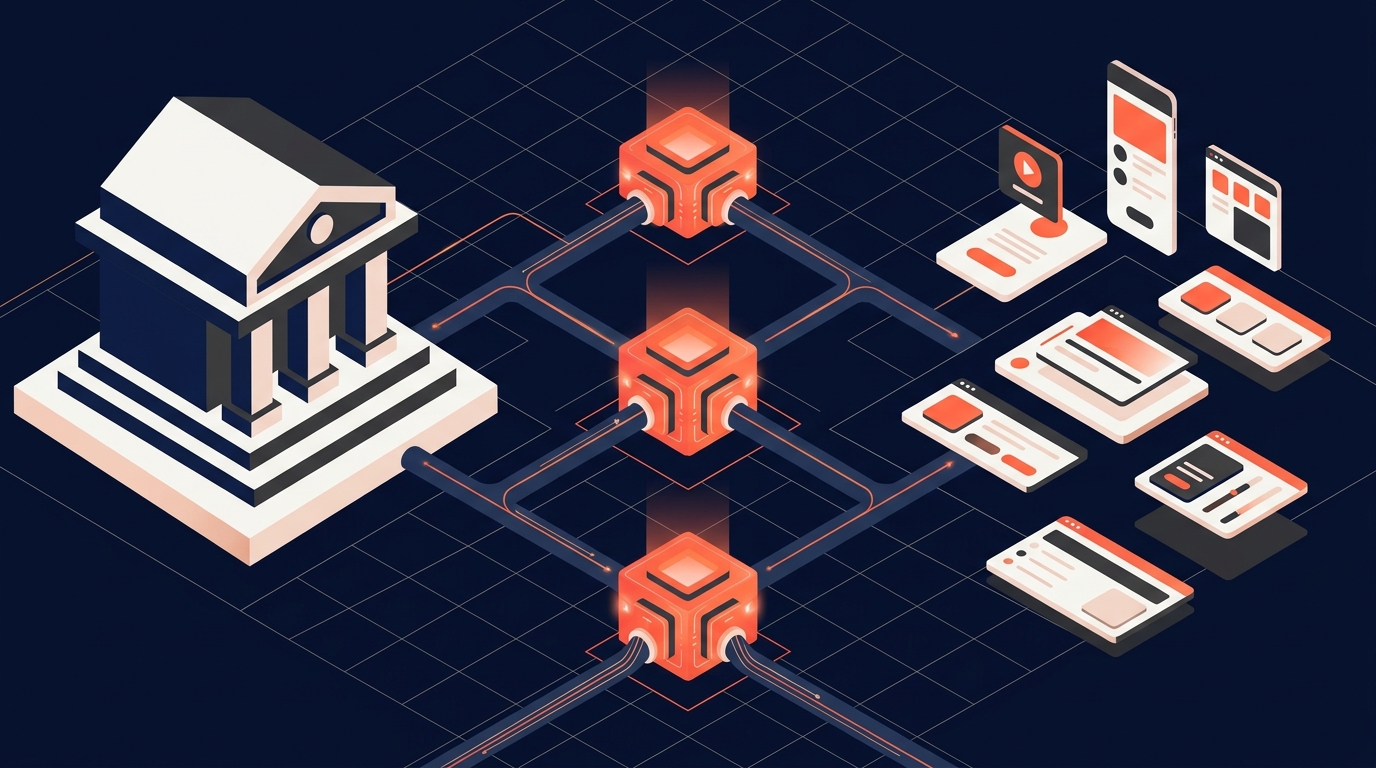
The four aggregators worth considering in 2026
- Plaid — market leader; ~11,000+ institutions; best DX; premium pricing
- MX — best for credit unions; strong data enrichment; enterprise sales cycle
- Finicity (Mastercard) — deep credit-decisioning integrations; owned by Mastercard
- Yodlee (Envestnet) — largest global coverage; legacy but robust
Nobody else has meaningful market share for US retail fintech.
Head-to-head
| Plaid | MX | Finicity | Yodlee | |
|---|---|---|---|---|
| Institutions (US) | 11,000+ | 16,000+ | 15,000+ | 12,000+ |
| Real-time balance | Yes (add-on) | Yes | Yes | Yes (add-on) |
| Transaction history depth | 24 months | 24 months | 24 months | 12–24 months |
| OAuth/1033 coverage | ~75% of retail deposits | ~65% | ~70% | ~60% |
| Investment accounts | Yes | Yes | Yes | Yes (best) |
| Liabilities (credit cards) | Yes | Yes | Yes | Yes |
| Income verification | Yes | Yes | Yes (best via Mastercard) | Yes |
| Sandbox quality | Best-in-industry | Good | Good | Aging |
| Docs | Excellent | Good | Good | Fair |
| Sales motion | Self-serve → Sales | Sales-led | Sales-led | Sales-led |
| Starting price | $0 sandbox → $500/mo | Custom | Custom | Custom |
| Company | Independent | Independent | Owned by Mastercard | Owned by Envestnet |
Choose Plaid if
- You're pre-Series A and want to move fast
- Your users are primarily retail (checking/savings/credit card)
- You care about developer experience (docs, SDKs, sandbox)
- You're comfortable with premium pricing
Plaid Link is still the reference UX for account linking. Nothing else has caught up.
Choose MX if
- You have significant credit-union coverage needs (MX has deeper CU integrations)
- You need heavy data enrichment (merchant logos, spending categorization, subscription detection)
- You're at enterprise scale and want a custom contract
- You want to embed the linking flow more deeply
Choose Finicity if
- You're doing lending or credit-decisioning (Finicity's Mastercard ownership gives clean paths to credit-bureau data)
- Your product depends on income verification (Finicity's flow is best-in-class)
- You're already in the Mastercard ecosystem
Choose Yodlee if
- You have international coverage needs (Yodlee is the strongest global aggregator)
- You're at scale and cost matters more than DX
- You're an existing Envestnet or wealth-management shop
Latency comparison
Roundtrip API latency for fetching 30 days of transactions on a Chase account (median, February 2026):
- Plaid: 380ms
- MX: 420ms
- Finicity: 510ms
- Yodlee: 680ms
For real-time features (Safe to Spend 365, buy-now-pay-later underwriting), sub-500ms matters. For batch analytics, it doesn't.
The 1033 rule consideration
CFPB Rule 1033 (fully enforced 2027) requires US banks to expose free open-banking APIs. All four aggregators will migrate their transport layer to these APIs where available.
Implication for founders: the aggregator you choose in 2026 must have a credible 1033 migration story. Plaid is furthest along; MX is close; Finicity is Mastercard-backed. Yodlee's roadmap is less clear.
Why AtlasForge doesn't replace an aggregator
We're often asked if AtlasForge is a "Plaid alternative." We're not. AtlasForge is the derived-data layer on top of whatever aggregator you choose. We take the raw transaction data from Plaid/MX/Finicity/Yodlee and return polished insights: Safe to Spend 365 numbers, subscription detection, cash-flow forecasts. Your users see the value; you keep your aggregator relationship.
Related reading:
Ready to build on AtlasForge?
Get sandbox API keys in 60 seconds — or install the Safe to Spend 365 app.